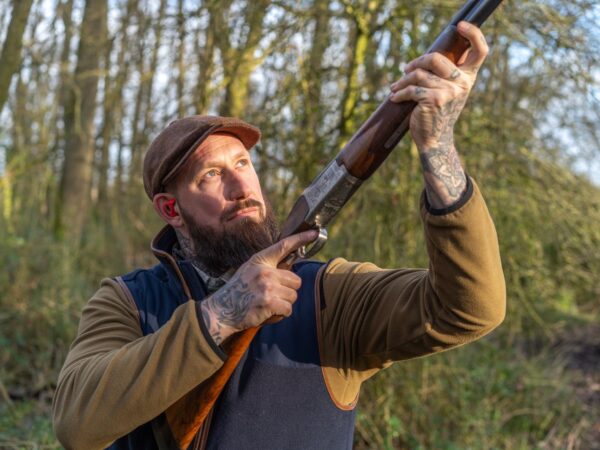
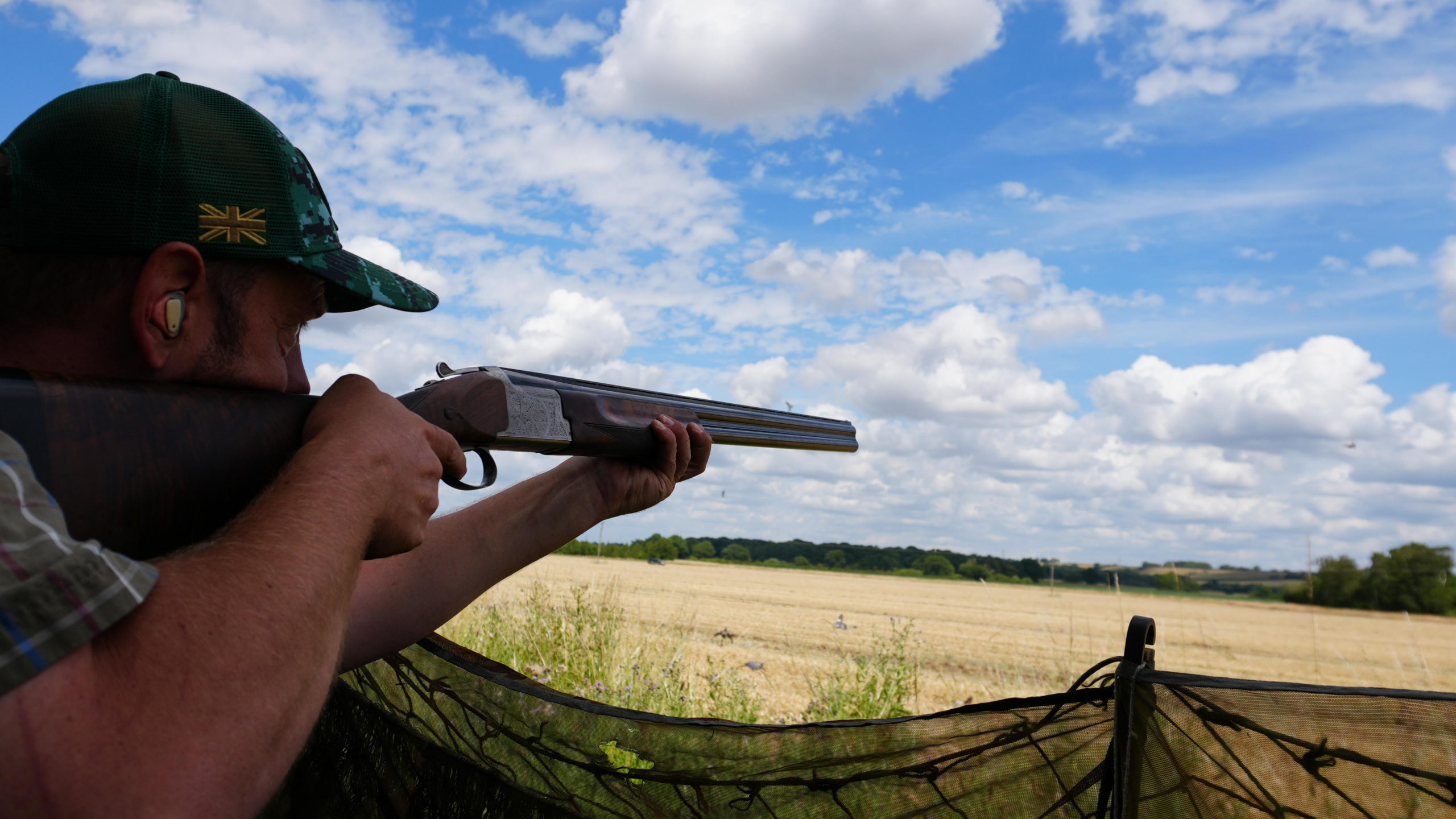

From reading flightlines to changing a decoy pattern, experienced pigeon shooter Dougie Pocklington explains why understanding the birds is at the heart of successful pigeon shooting.
Finding pigeons is one thing. Understanding them is another.
For experienced pigeon shooter Dougie Pocklington, much of the work happens before he ever settles into the hide. Rather than simply finding a field with birds in it, he wants to understand why they are there, where they are coming from and where they are going.
“You have to live with the pigeon,” he says.
Observation is key
Dougie will often spend time driving around looking for concentrations of birds or areas where there is a clear crop protection problem. Once he has found a likely spot, the binoculars come out.
He watches.
Where are the birds coming from? Which direction are they travelling? When do they arrive? What are they doing when they get there?
That observation can take hours, but it is what allows him to build a picture of the birds’ behaviour before deciding where to set up.
“Once you have figured that out and you are the pigeon, you know what they’re going to do, you know why they’re going to do it. You’ve cracked it.”
The challenge is that there is no fixed formula. Weather can change a flightline, farming activity can move birds, and a plentiful supply of natural food can make a previously productive field much less attractive.
Decoying isn’t setting-and-forgetting
Once the hide is in position, the same approach continues.
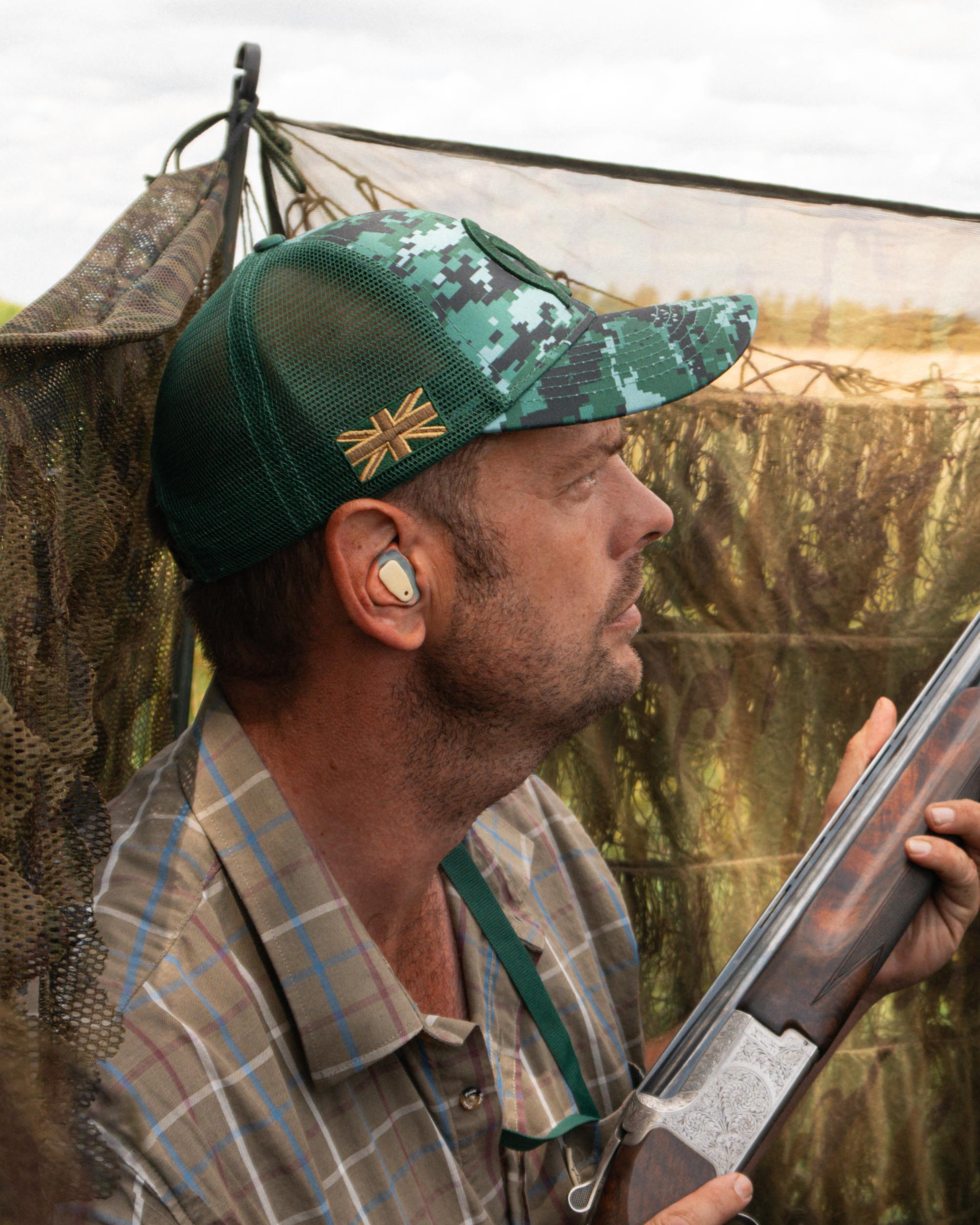
Dougie doesn’t believe a decoy pattern should simply be put out and left for the rest of the day. If birds are consistently veering away or refusing to commit, there is usually a reason.
It could be the position of the hide. The shooter might be too exposed. The pattern could be too tight, or there may not be enough space for birds to land comfortably.
That means being prepared to change things.
“You start with what you think might work and you then go and tweak it.”
The important thing is watching what the birds are telling you rather than assuming the original setup must be right.
Knowing when you’re in the wrong place
Sometimes, however, the answer isn’t another adjustment.
If Dougie feels he has chosen the wrong field or position, he would rather pack up and come back another day than spend hours trying to force a situation that simply isn’t working. But he recognises that isn’t always an option. For someone who has travelled to shoot, or only has a limited amount of time available, you may have to work with what you’ve got and adapt your approach.
“If you’ve got it wrong and you’re in the wrong spot, pack up and make a new plan for another day.”
For Dougie, being able to walk away and return another day is part of knowing when a situation isn’t right. But when that’s not an option, the same principle still applies: don’t keep doing the same thing and expect a different result. Look at what the birds are doing, make changes where you can, and work with the situation in front of you rather than trying to force it into the day you had planned.
Matching your setup to the day
Good fieldcraft also means having equipment you can rely on once you have worked out where and how you want to shoot.
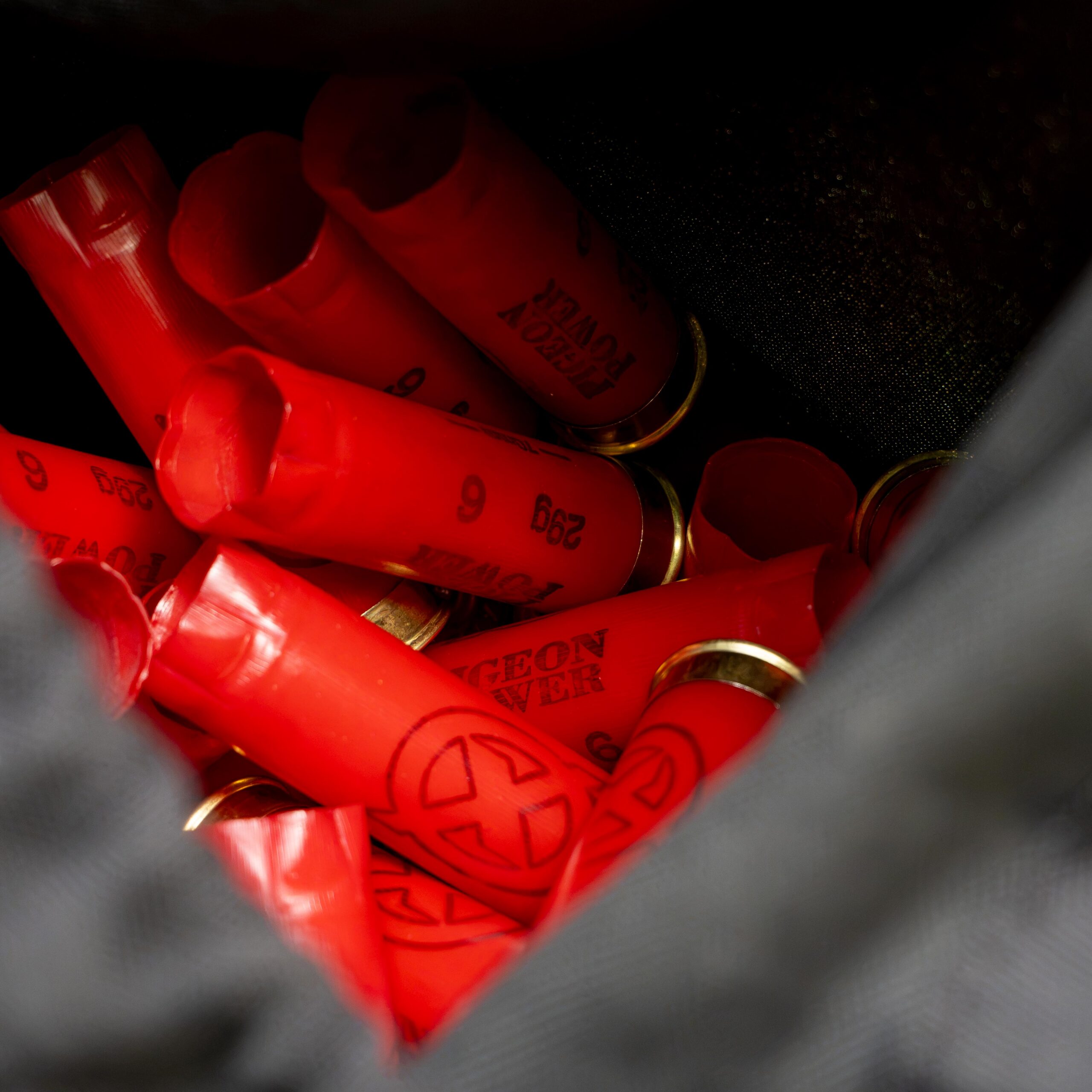
Lyalvale Express Pigeon Power is a dedicated pigeon shooting cartridge, making it a natural choice for shooters spending a day working a flightline or decoying birds over a crop.
But as Dougie’s approach demonstrates, the cartridge is only one part of the setup. Getting the hide right, understanding the birds and being prepared to adapt will always be central to making the most of the opportunities in front of you.
It’s not always about the bag
Dougie admits that he enjoys a big day, but numbers aren’t what define success.
Before he starts, he will often have an idea of what a particular field should produce. If he expects 100 birds and takes 100, that is a successful day.
On the other hand, if thousands of pigeons pass through the area but only a small number present realistic opportunities, the bag doesn’t necessarily reflect how well the day has gone.
“There’s nothing worse or more frustrating,” he says.
For Dougie, successful pigeon shooting is ultimately about reading the situation and responding to it. The birds dictate the day, and the shooter has to be prepared to listen.
Once you understand where the pigeons want to be, why they want to be there and how they are going to behave, the shooting becomes part of a much bigger picture.