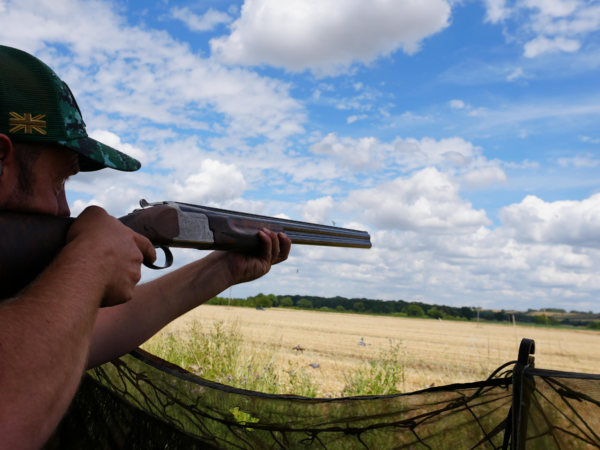
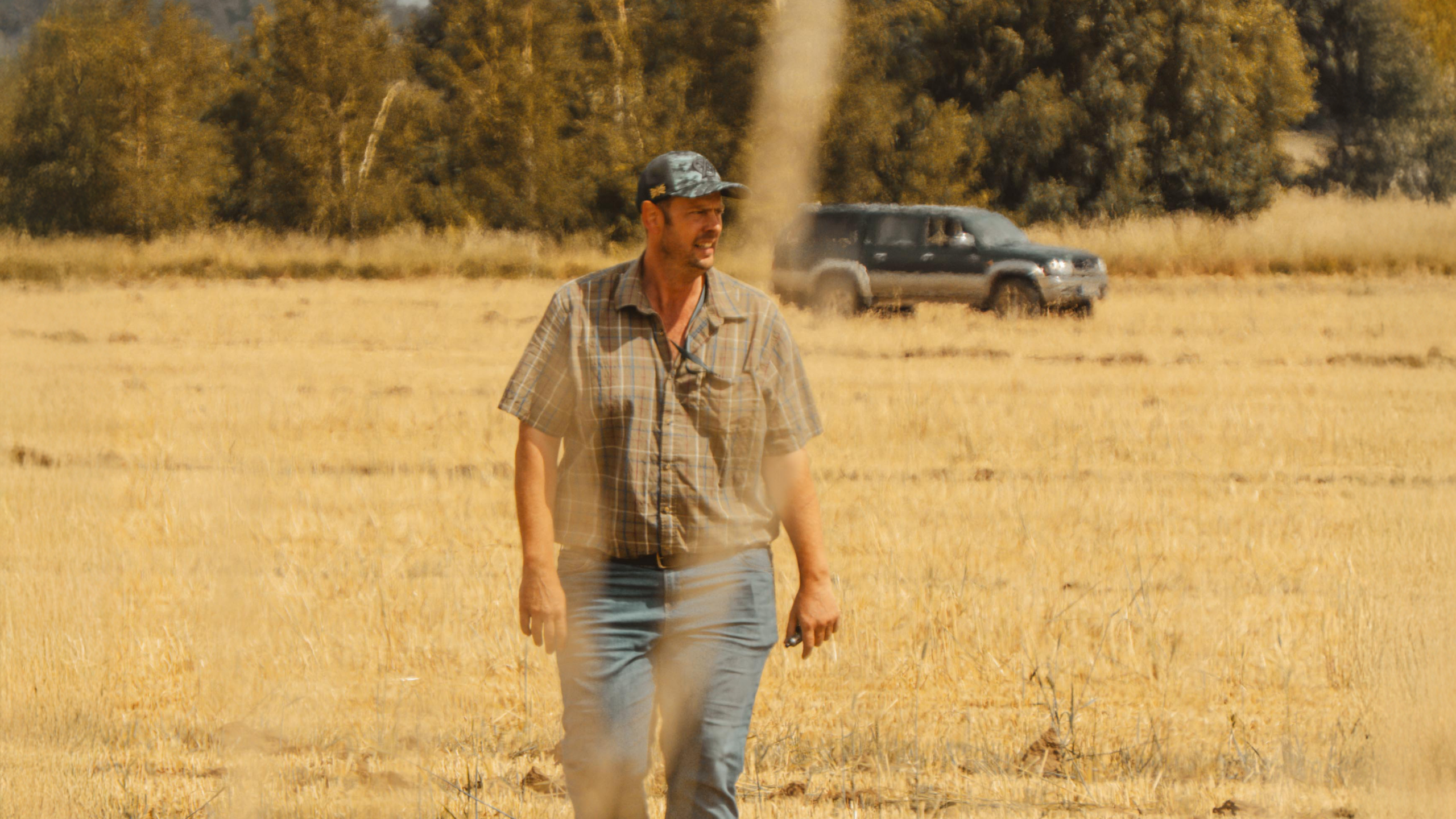

We speak to our experienced pigeon shooter Dougie Pocklington about crop damage, farming and why successful pigeon control isn’t simply about the size of the bag.
For Dougie, a successful day in the field starts well before the first shot. It starts with understanding where the pigeons are, what they are feeding on and, most importantly, why they are there.
“It’s not always about how many pigeons are there,” Dougie explains. “It’s about what damage they’re doing and what the farmer needs.”
When pigeons become a problem
Pigeons can cause significant damage to a range of crops, from peas and oilseed rape to vegetables and cereals. The scale of the problem can change quickly, too.
Dougie has seen peas go from a small area of damage to several acres being affected, while rape seed can be grazed almost to the floor if pigeons are allowed to keep feeding.
Vegetables can present a different problem.
As Dougie puts it, “It’s a two way problem. It’s not simply what the pigeons eat. Birds can stand and rest on the crop, while fouling it as well, potentially leaving otherwise saleable vegetables unusable.”
Cereals can suffer too, particularly around tractor tramlines where pigeons land and feed. When crops are flattened in wet areas, the damaged grain can begin to germinate, which can ultimately make harvesting more difficult.
And during drilling, exposed seed can provide an easy food source.
It’s not always about big numbers
One of the interesting things about pigeon control is that there doesn’t necessarily have to be a huge flock for there to be a problem.
Dougie points out that some farmers will call him about relatively small numbers of pigeons, while on other occasions he may find a significant problem himself simply by being in the right place at the right time.
“I shot 600 and the other hide had 265,” he recalls. “Five days before that I shot 420. So well over 1,000 pigeons, I never got a phone call about that. I just happened to be in the right place at the right time.”
For him, the job is about looking at the bigger picture. Even 20, 30 or 50 pigeons visiting a field every day can be worth addressing if they are consistently damaging a vulnerable crop.
Working with the farm
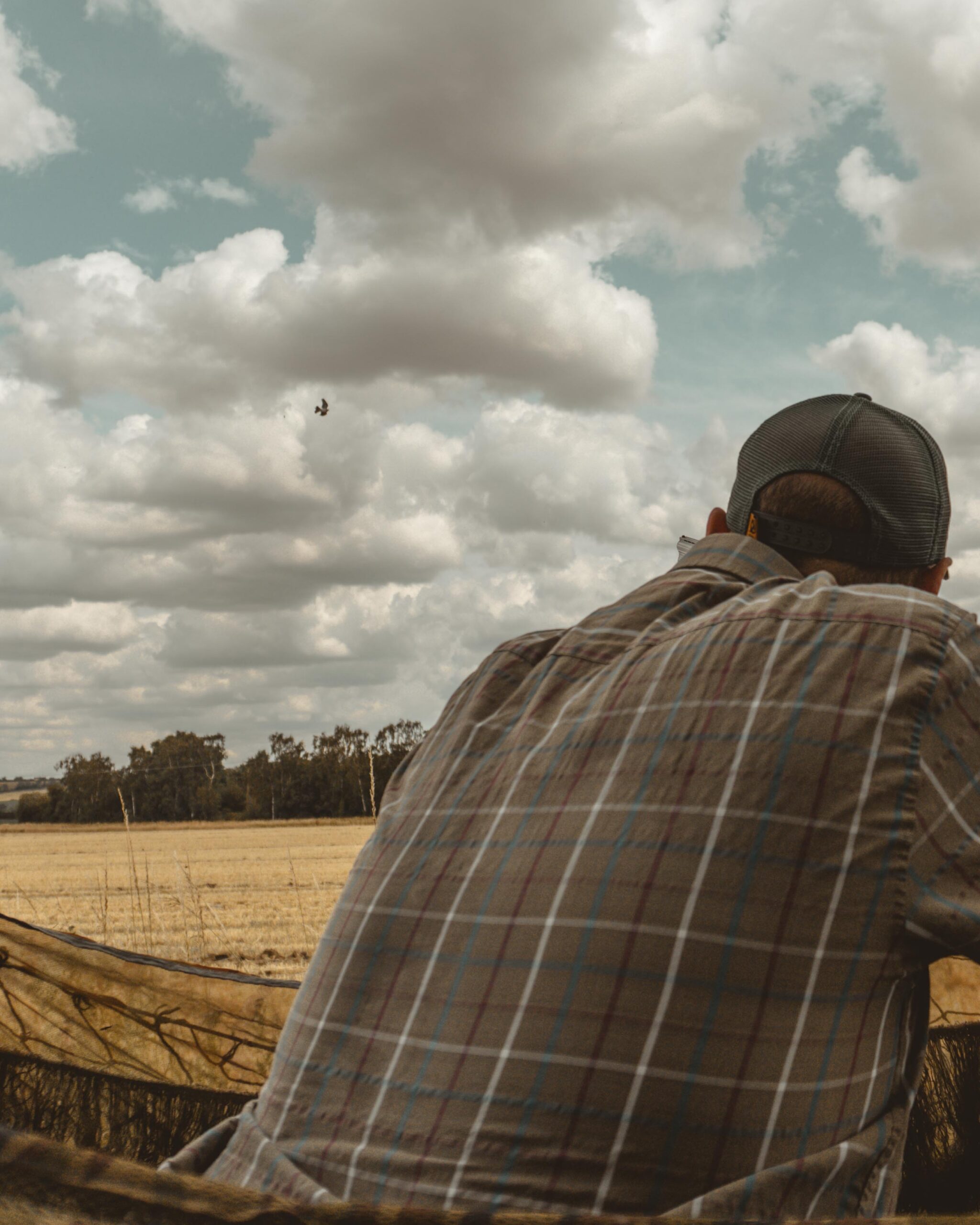
That means understanding what is happening across the farm, not simply turning up wherever there are pigeons.
Weather, farming activity and the availability of natural food can all change where birds want to be. Berries, acorns and ash buds, for example, can keep pigeons in woodland rather than on a crop.
“If they want it, they’ll have it, end of story,” says Dougie.
But when the crop is their only viable food source, effective shooting can do more than remove birds. Regular pressure can also create disturbance and give the crop a break, particularly at important stages of growth.
For Dougie, that is where successful pigeon control really comes back to understanding the problem in front of you.
The right cartridge for the job
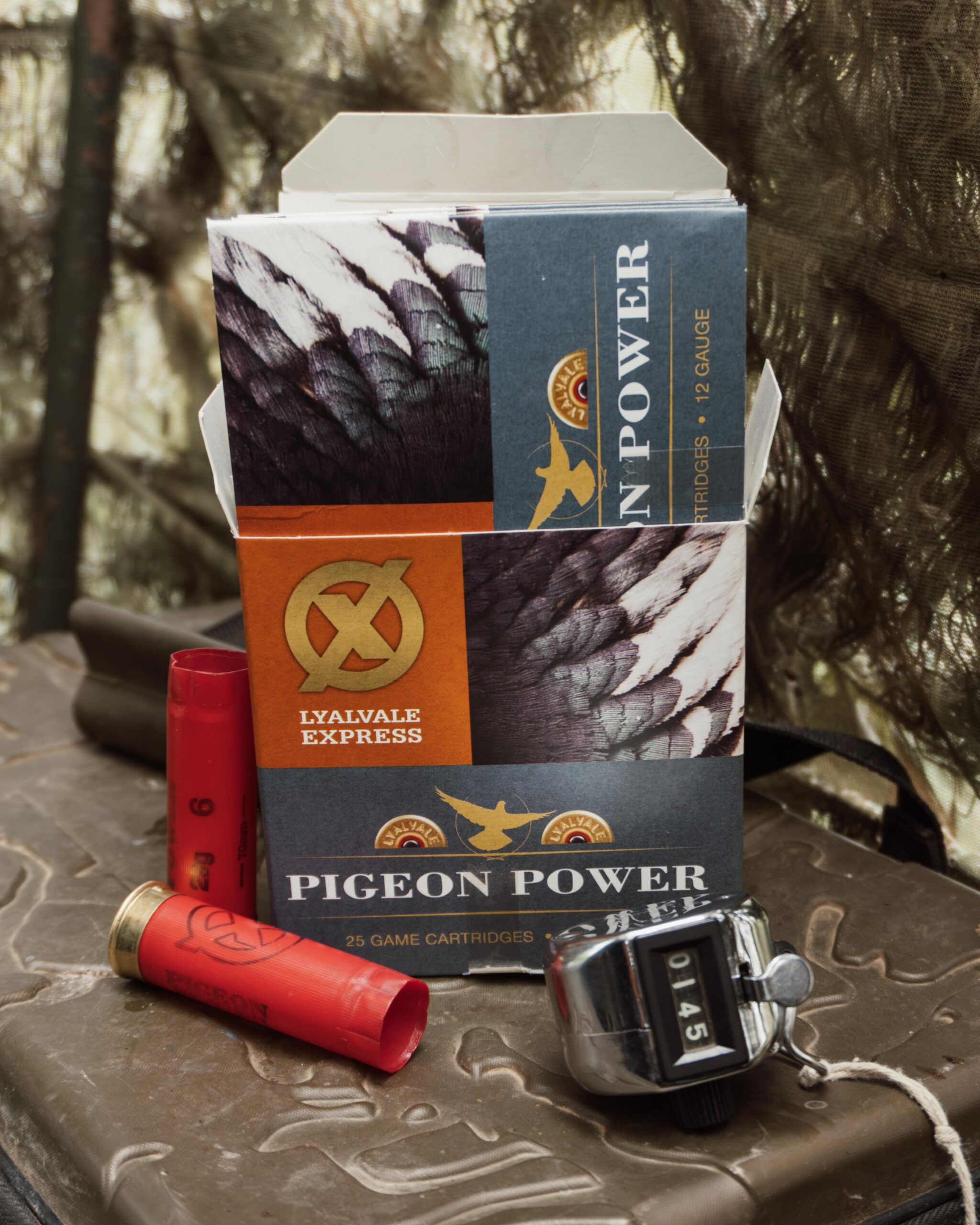
Fieldcraft and crop knowledge come first, but having equipment suited to the job is also part of a successful day’s pigeon shooting.
Lyalvale Express Pigeon Power is a dedicated pigeon shooting cartridge, giving shooters the perfect option for the demands the field.
For Dougie, though, the cartridge is only one part of the equation. Knowing where the birds are going, why they are there and how best to deal with them is what ultimately makes the difference.
What makes a successful day?
A successful pigeon shooting day doesn’t necessarily mean the biggest bag.
Dougie puts it simply: “A successful day is getting the most out of the day, whatever the day might be.”
If a field is expected to produce 100 pigeons and it does, that’s a successful day. If thousands of pigeons pass but the shooting opportunities aren’t there, the numbers alone don’t tell the whole story.
Ultimately, pigeon shooting is about crop protection, but it is also about understanding the countryside around you. The crop, the farmer, the weather, the food available and the behaviour of the birds all play a part.
And that is why, for Dougie, the most important question isn’t simply how many pigeons were shot. It’s whether the job was done properly.